
 The OpenAI OpenClaw acquisition isn’t just another headline in AI. It’s a strategic signal to the industry as a whole.
When OpenAI acquires a company like OpenClaw, a platform known for intelligent developer tooling and contextual reasoning across code and documentation, it reveals where AI infrastructure is heading in the near future.
This isn’t about adding new features to the existing OpenAI ecosystem. It’s about deepening integration between AI models and real-world development workflows.
And as we explain below, this move matters for product teams, engineering leaders, and builders.
What Is OpenClaw & Who Is Peter Steinberger?
OpenClaw, also known as Clawdbot and Moltbot, is an AI-powered coding assistant built to help developers write, refactor, and understand software more efficiently.
It functions like a next-generation AI teammate embedded in the development workflow, capable of generating code, explaining logic, and improving productivity across projects.
The project is associated with Peter Steinberger, a well-known software engineer and entrepreneur best recognized as the founder of PSPDFKit, a widely used PDF framework.
Steinberger is respected in the developer community for building high-quality developer tools and contributing to the Apple ecosystem.
More, recently, OpenAI announced that Steinberger is joining the company to help lead work on next-generation personal AI agents.
Rather than OpenAI buying OpenClaw as a product, the deal is essentially a talent acquisition: Steinberger becomes an OpenAI employee, and the OpenClaw project itself will continue as an independent open-source foundation with support from OpenAI.
This move highlights a shift in the AI industry toward building agents that can act autonomously beyond simple chat, and it generated wide attention across the tech world.
What Is OpenAI Signaling by Acquiring Open Source Projects Like This?
At a high level, the OpenAI OpenClaw acquisition suggests three things:
1. AI is moving deeper into development workflows
We’ve already seen AI generate code, summarize documents, and assist in debugging. But OpenClaw’s strengths lie in understanding context across artifacts like specs, documentation, and implementation. That points toward AI becoming embedded in the full lifecycle of product development.
2. Context matters more than output
Early AI workload tools focused on producing artifacts: code snippets, design drafts, summaries. The next phase will be about systems that understand relationships between those artifacts. When requirements change, downstream components should reflect it intelligently.
3. Infrastructure beats point solutions AI agents
This acquisition also reinforces the idea that long-term AI advantage comes from integrated ecosystems, not isolated tools. Even platform as popular as OpenAI still have room to grow by implementing additional tools and features to meet the demands of today's users.
Ultimately, OpenAI isn’t just building smarter models by acquiring platforms like OpenClaw. It’s building workflow-native intelligence, which is completely reshaping the industry as we know it.
 Why AI Tooling Is Consolidating
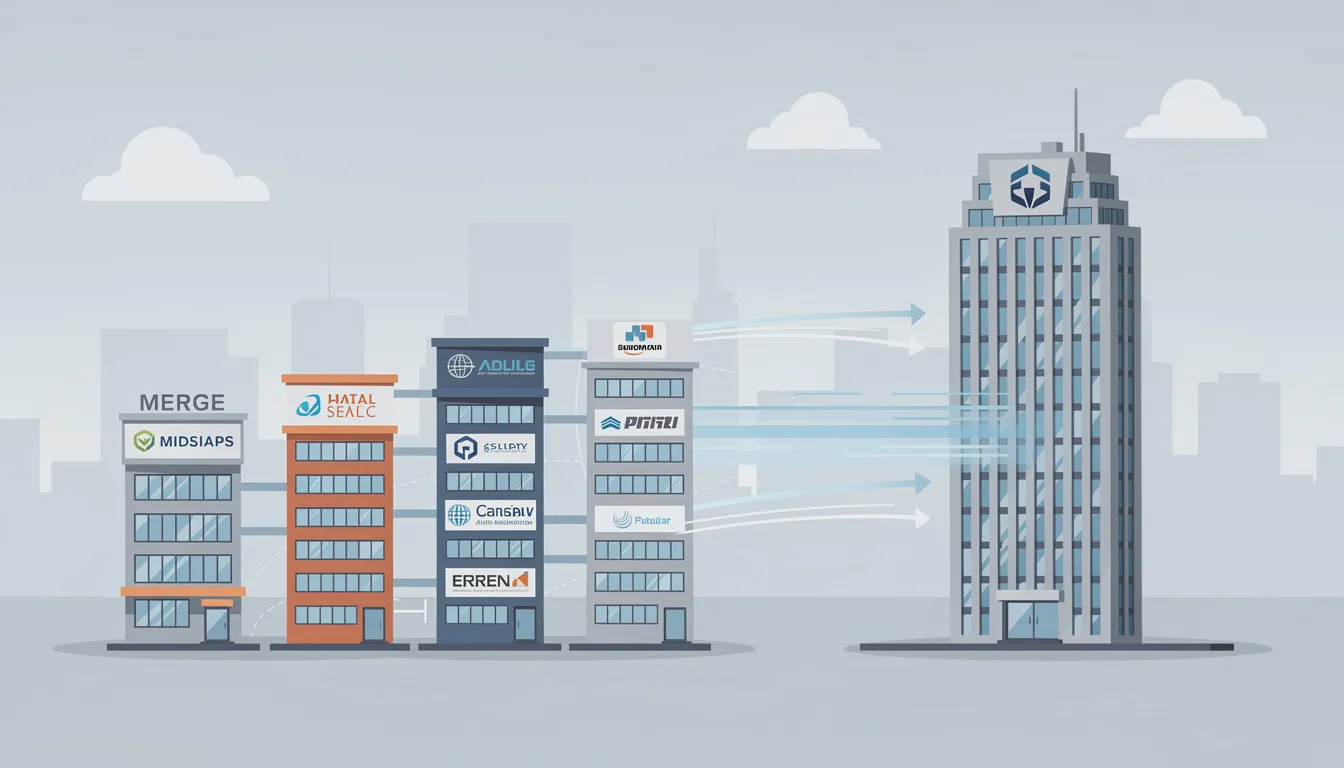
The OpenAI OpenClaw acquisition also highlights a broader industry trend: consolidation.
The AI tooling landscape has exploded with niche tools, such as AI for coding, AI for documentation, AI for QA, AI for design. But today's product teams don’t want 15 disconnected AI assistants, which only complicates their workflows.
They want:
Shared context across tools and living PRDs
Unified change tracking
Integrated decision workflows
Fewer manual handoffs
Consolidation happens when companies realize fragmented AI increases friction instead of reducing it.
As AI becomes more powerful, orchestration becomes more important than generation. Teams don’t just need AI to produce work, they need AI to manage complexity across systems, to simplify complicated and time-consuming development processes, and to make life easier, not harder.
That’s where acquisitions like OpenClaw fit into the picture.
What OpenClaw Joining OpenAI Means for Product Teams
Whether you’re a product manager, engineering lead, or developer, the acquisition changes expectations for most in product development. Here's a bit of a closer look at exactly what we mean by this.
Documentation Must Be Living
Static PRDs and isolated design docs create drift. When requirements evolve, documentation and implementation must evolve together.
AI-native tooling should:
Detect requirement updates
Assess downstream impact
Surface conflicts
Maintain traceability
Change Management Is Becoming Intelligent
Instead of manually diffing documents or reconciling specs, AI systems can classify updates, generate summaries, and evaluate impact on UI, APIs, or authentication logic.
This reduces overhead while preserving human oversight.
Engineers Are Being Amplified, Not Replaced
The idea that AI replaces engineers misses the point. AI replaces repetitive friction. Engineers still own architecture, tradeoffs, performance optimization, and system design. If you ask us, the future division of labor looks like this:
AI handles semantic processing and repetitive synthesis
Humans handle strategy, judgment, and creative problem-solving
The OpenAI OpenClaw acquisition reinforces that AI is evolving into an assistant embedded within workflows, not an autonomous replacement.
 Where Independent AI Platforms And Personal Agents Fit Into Today's AI Landscape
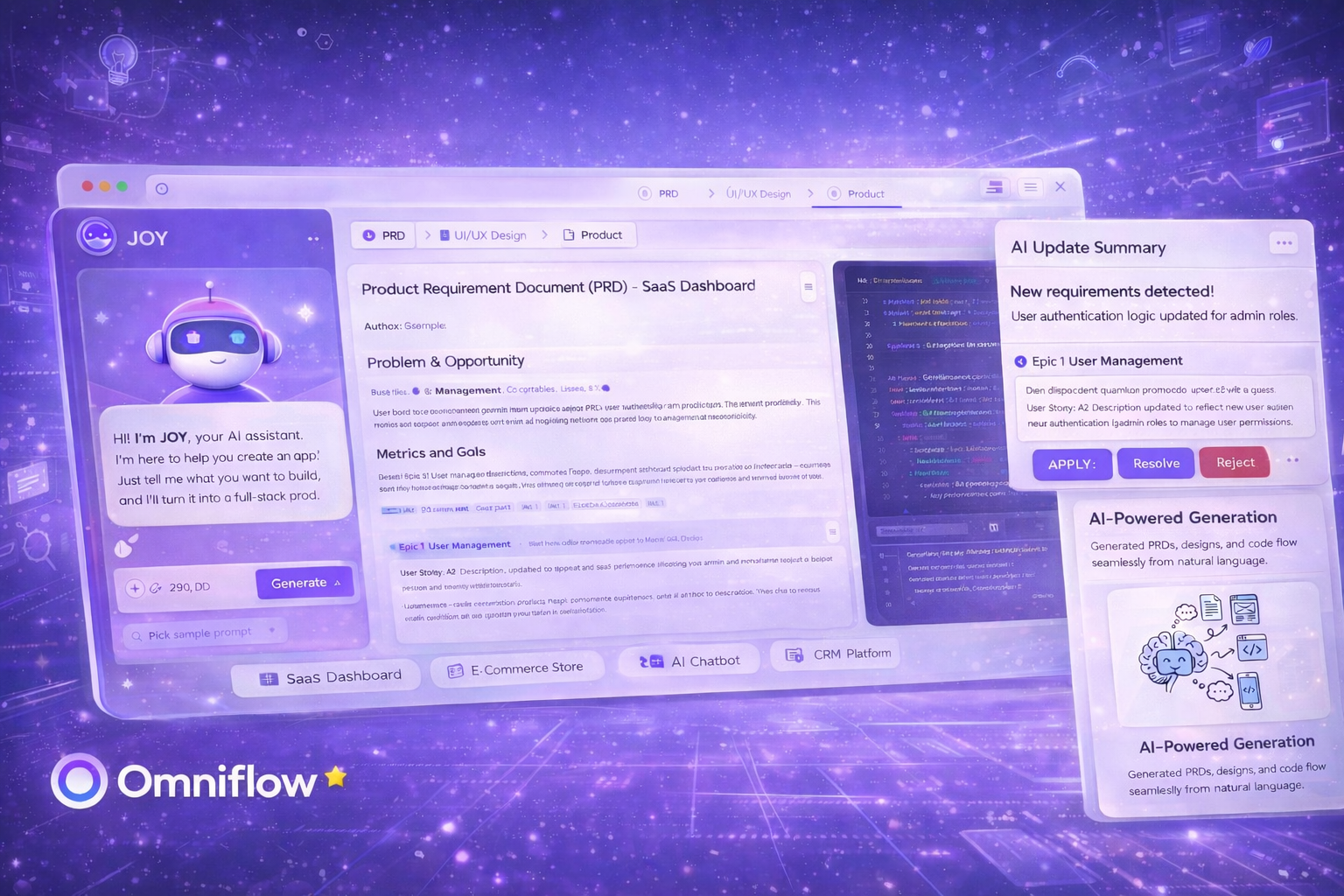
While large AI companies consolidate tooling, there remains an important role for continuous product development platforms like Omniflow.
After all, not every team wants to operate entirely inside a single vendor’s ecosystem. High-performing product teams often prefer:
Composable workflows
Transparent change control
Human-in-the-loop governance
Cross-document synchronization
This is where Omniflow fits into the bigger picture. Rather than locking teams into a monolithic stack, Omniflow focuses on product intelligence infrastructure and workflows that:
Keep PRDs, design docs, and specs synchronized
Generate AI-powered summaries and impact assessments
Allow teams to apply, resolve, or reject changes as they happen
Preserve hierarchy and governance
As AI tooling consolidates, flexibility becomes even more valuable. And the future of AI product development isn’t just about who owns the biggest model. It’s about who enables the clearest workflows.
The Bigger Picture: The Future of Product Development
The OpenAI OpenClaw acquisition is part of a larger story: product development is becoming intelligence-driven.
In the next few years, we expect to see:
AI embedded directly into documentation systems
Automatic change classification across product artifacts
Impact-aware updates that propagate intelligently
Fewer silos between requirements, design, and engineering
The winners won’t be those who resist AI, or will it be the biggest platforms like OpenAI who have the resources to acquire all the smaller players, or the ones with the most computing power.
It will be the teams and platforms that integrate AI thoughtfully into structured workflows to develop better products that leading to higher levels of customer satisfaction.
If you’re interested in how we’re evolving product workflows with AI, you can explore more insights on our blog. Or, if you’re ready to try it for yourself, sign up today and try Omniflow for FREE!
FAQs
What is the OpenAI OpenClaw acquisition?
The OpenAI OpenClaw acquisition refers to OpenAI acquiring OpenClaw, a company focused on intelligent developer tooling and contextual reasoning across documentation and code.
Why does this acquisition matter?
It signals that AI is moving beyond simple content generation toward deeper workflow integration and contextual understanding across development systems.
Does this mean AI will replace engineers?
No. AI is more likely to automate repetitive tasks and enhance productivity, while engineers continue to lead architecture, strategy, and system design.
How should product teams respond?
Teams should adopt AI tools that integrate documentation, design, and engineering workflows, especially those that track changes and assess downstream impact.
Where do independent platforms fit?
Independent platforms like Omniflow provide flexible, workflow-focused AI infrastructure without locking teams into a single ecosystem.